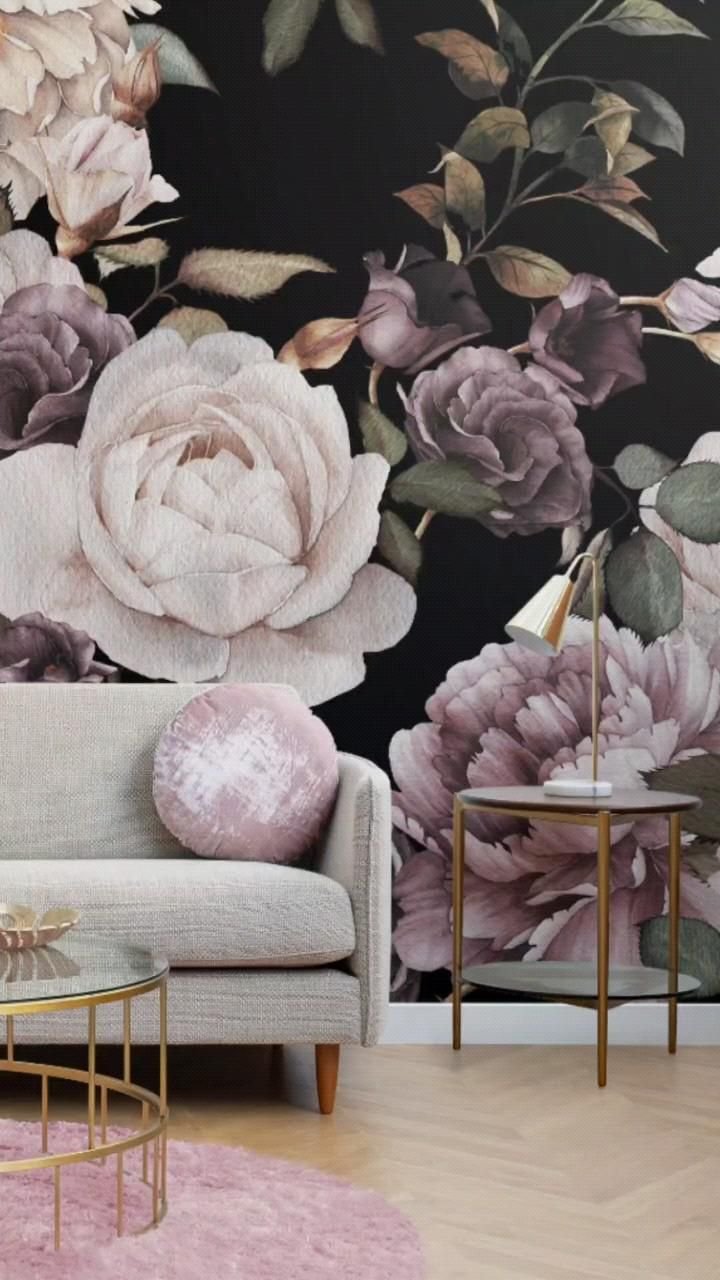
Ever feel like your walls are just… there? Blank canvases screaming for personality, or perhaps tired backdrops that could use a serious refresh? If you're pondering a room transformation, stepping beyond paint to explore wallpaper is often the secret ingredient. It’s not just a covering; it’s an art form, a mood-setter, and a powerful tool for [Wallpaper Design Ideas & Inspiration], transforming ordinary spaces into extraordinary statements.
In a world full of mass-produced decor, wallpaper offers a uniquely personal touch. From intricate patterns that whisper stories to bold graphics that shout style, the right wallpaper can utterly redefine a room, reflecting your taste and telling your unique story. But with an overwhelming array of options, how do you even begin? That's where this guide comes in.
At a Glance: Key Takeaways for Your Wallpaper Journey
- Beyond Paint: Wallpaper offers depth, texture, and visual interest paint alone can't achieve.
- Define Your Vibe: Start by considering the mood and function of the room you're designing for.
- Pattern Power: Understand how scale, repeat, and type of pattern impact a space.
- Color Confidence: Choose colors that complement your existing decor and desired atmosphere.
- Think Outside the Wall: Wallpaper isn't just for entire rooms; consider accent walls, ceilings, or even furniture.
- Material Matters: Different wallpapers offer varied durability, texture, and ease of application/removal.
- DIY or Pro? Assess your comfort level with installation—some patterns are trickier than others.
- Sampling is Key: Always order samples to see how a design looks in your home's unique lighting.
Why Wallpaper? Unlocking Your Walls' Potential
For decades, wallpaper earned a somewhat dusty reputation, often associated with dated floral patterns or stubborn removal projects. But today's wallpaper? It’s a completely different beast. Modern manufacturing, innovative materials, and an explosion of artistic designs have revitalized wallpaper as a premier interior design element.
Think of wallpaper as the ultimate design amplifier. It can:
- Introduce Texture and Depth: Beyond flat color, wallpaper can mimic grasscloth, linen, wood, stone, or even abstract textures, adding tactile and visual richness.
- Inject Personality and Story: As designers on platforms like 99designs often emphasize, a great design tells a story and makes people remember. Your wallpaper can do the same for your home, communicating your style and narrative through color, shape, and pattern.
- Create Focal Points: A bold pattern or mural instantly draws the eye, establishing a clear centerpiece in a room.
- Define Zones: In open-plan living, wallpaper can subtly delineate different functional areas—a cozy reading nook, a vibrant dining space.
- Mask Imperfections: A patterned or textured wallpaper can cleverly disguise minor wall blemishes far more effectively than a flat coat of paint.
- Boost Architectural Interest: Even in a standard box-shaped room, wallpaper can add an architectural dimension, breaking up plain surfaces.
It's about making a statement, crafting an experience, and imbuing your home with a level of individuality that paint simply can't match.
Setting the Stage: Your Vision and Your Space
Before you dive into the endless catalogs, let’s get clear on your starting point. This isn't just about picking a pretty pattern; it's about making an informed design decision that genuinely enhances your living environment.
1. What's the Room's Purpose and Vibe?
This is your foundational question. Is it a:
- Bedroom: Sanctuary, calm, cozy, romantic?
- Living Room: Welcoming, sophisticated, vibrant, relaxed?
- Kitchen/Dining: Energetic, clean, inviting, modern?
- Bathroom: Spa-like, playful, elegant, compact?
- Home Office: Productive, inspiring, focused, serene?
- Child's Room/Nursery: Whimsical, stimulating, soothing, fun?
The room's primary function dictates the emotional response you want the wallpaper to evoke. A bustling kitchen might benefit from an uplifting, washable pattern, while a master bedroom could lean into rich textures and calming hues.
2. Consider Your Existing Decor (or Lack Thereof)
Take stock of what's already in the room:
- Furniture Style: Is it modern minimalist, rustic farmhouse, vintage chic, classic traditional?
- Color Palette: What are the dominant colors in your upholstery, rugs, and artwork?
- Natural Light: How much light does the room receive, and from what direction? This drastically impacts how colors appear.
- Room Size and Ceiling Height: Large-scale patterns can overwhelm small rooms, while small patterns can get lost in expansive ones. Vertical stripes can make ceilings appear taller, horizontal stripes wider.
You're aiming for cohesion, not chaos. The wallpaper should feel like a natural extension of your home’s existing personality, or a deliberate pivot to a new one.
A Universe of Choices: Understanding Wallpaper Types
Modern wallpaper goes far beyond paper-backed vinyl. Knowing the different types can help you narrow down your choices based on aesthetics, durability, and ease of installation.
By Material & Construction:
- Non-Woven: The rising star in wallpaper. Made from a blend of natural and synthetic fibers, it's breathable, tear-resistant, and incredibly easy to install (paste the wall, not the paper) and remove (peels off in full sheets without damaging walls). Excellent for DIYers.
- Vinyl (Paper-Backed Vinyl & Fabric-Backed Vinyl): Highly durable, washable, and moisture-resistant. Excellent for high-traffic areas like kitchens, bathrooms, and kids' rooms. Can be harder to remove.
- Solid Sheet Vinyl: The most durable and washable, ideal for commercial spaces or very high-moisture areas.
- Grasscloth/Natural Fibers: Offers incredible texture and an organic, earthy feel. Made from woven natural materials like jute, sisal, or seagrass. More delicate, not easily washable, and typically higher-end. Requires careful installation.
- Textile/Fabric: Luxurious and warm, often made from silk, linen, cotton, or felt. Provides rich texture but can be expensive and difficult to clean. Best for low-traffic areas.
- Mylar/Foil: Features a shiny, reflective surface that can brighten a room and create a dramatic, glamorous effect. Shows wall imperfections more easily.
- Flocked: Has a raised, velvety pattern, adding a tactile, opulent dimension. Often seen in traditional or Art Deco styles.
- Peel-and-Stick (Removable Wallpaper): A game-changer for renters, commitment-phobes, or temporary decor. Essentially a large sticker, it's easy to apply and remove without damaging walls. Available in various materials and patterns.
By Pattern Style:
- Geometric: Crisp lines, shapes (circles, triangles, hexagons), and structured repeats. Modern, sophisticated, can be subtle or bold.
- Floral: From delicate botanicals to oversized tropical leaves, florals can be romantic, vibrant, or whimsical.
- Damask: Classic, elegant, symmetrical patterns often featuring intricate scrolls and motifs. Traditionally used in formal settings.
- Stripes: Timeless and versatile. Vertical stripes make ceilings feel taller, horizontal stripes widen a room. Can be narrow, wide, pinstripe, or multi-colored.
- Toile: Features narrative scenes, often pastoral or historical, in a single color against a lighter background. Evokes a classic, French country charm.
- Abstract/Artistic: Non-representational designs, often painterly or free-form. Adds a contemporary, artistic flair.
- Textural (Faux Finishes): Mimics the look of other materials like brick, wood, concrete, marble, fabric, or plaster. Offers the aesthetic without the cost or complexity of real materials.
- Murals/Panels: Large-scale, non-repeating designs that create an entire scene or art piece across a wall. A true statement maker.
[Wallpaper Design Ideas & Inspiration] by Room
Let's get specific. Different rooms present different opportunities and challenges for wallpaper. Houzz, for instance, offers millions of photos where you can filter by room and style to find ideas tailored to your specific needs.
1. Living Rooms: The Heart of the Home
Your living room is where you entertain, relax, and showcase your style.
- Statement Wall: This is the quintessential living room move. Choose a bold geometric, a vibrant floral, or a dramatic mural behind the sofa or media console.
- Subtle Sophistication: For a more understated look, consider grasscloth or a textured wallpaper in a neutral tone to add warmth and depth without overwhelming the space.
- Architectural Enhancement: If your living room has a fireplace, wallpapering the chimney breast can turn it into a magnificent focal point.
- Pattern Pairing: Don't be afraid to mix patterns! A large-scale abstract on one wall can complement a subtly striped rug, as long as the color palette is cohesive.
2. Bedrooms: Your Personal Sanctuary
Bedrooms call for comfort, calm, and personal expression.
- Behind the Headboard: A popular choice for a feature wall, wallpapering behind the bed creates a beautiful backdrop that frames your sleeping space. Consider a soft floral, a soothing abstract, or a textured design like linen or silk.
- All-Over Comfort: For a truly enveloping feel, wallpaper all four walls with a subtle pattern or a rich, dark hue. This creates a cocoon-like atmosphere perfect for rest.
- Romantic Retreat: Damask, toile, or metallic patterns can add a touch of luxury and romance.
- Kids' Rooms/Nurseries: This is where whimsy reigns! Think playful animals, storybook themes, stars, or customizable designs. Peel-and-stick options are fantastic here for when tastes change.
3. Kitchens & Dining Rooms: Flavor and Function
Durability and washability are key here, alongside designs that stimulate or soothe.
- Backsplash Alternative: Use a waterproof vinyl wallpaper for a unique and eye-catching backsplash that's easier to change than tile.
- Accent Wall: In an open-plan kitchen-diner, wallpaper can define the dining area, perhaps with a cheerful geometric or a sophisticated botanical print.
- Inside Cabinets/Pantry: A fun, unexpected pop of pattern can be applied to the back of open shelving, inside glass-front cabinets, or the interior of a pantry.
- Dining Room Drama: A dramatic floral, a deep-toned textured wallpaper, or a scenic mural can elevate your dining experience, making every meal feel special.
4. Bathrooms & Powder Rooms: Unexpected Jewels
These often-small spaces are perfect for bold experimentation.
- Powder Room Power: Since powder rooms are small and guests visit frequently, they're ideal for making a big statement. Go wild with a vibrant tropical, an opulent metallic, or a quirky print.
- Moisture-Resistant Marvels: In full bathrooms, always opt for vinyl or other moisture-resistant wallpapers to prevent peeling and mold.
- Spa-Like Serenity: Light, subtle textures, or serene botanical patterns can transform a bathroom into a tranquil escape.
- Ceiling Surprise: In a small bathroom, wallpapering the ceiling can create an unexpected, enveloping effect.
5. Home Offices: Inspiring Productivity
Your workspace should inspire focus and creativity.
- Motivational Murals: A city skyline, a calming landscape, or an abstract piece of art can provide a stimulating backdrop.
- Textured Focus: A subtle grasscloth or faux concrete wallpaper can add gravitas and sophistication, promoting a focused environment.
- Brand Alignment: If you work from home and do video calls, consider a backdrop that reflects your personal brand or professional aesthetic.
6. Hallways & Entryways: First Impressions
These transitional spaces set the tone for your entire home.
- Patterned Pathway: A compelling pattern can draw the eye down a long hallway, making it feel less like a corridor and more like an intentional design element.
- Light and Bright: In typically darker hallways, use wallpapers with reflective qualities (mylar, metallic accents) or lighter colors to bounce light around.
- Durable Choices: High-traffic areas mean durable, washable vinyl wallpapers are often the most practical choice.
Mastering the Elements: Pattern, Scale, and Color
Choosing the right wallpaper means understanding how its design elements interact with your space.
The Power of Pattern Scale
- Small Patterns: Can make a room feel larger and more open, acting almost like a textured solid from a distance. Best for small rooms or all-over applications.
- Large Patterns: Can make a room feel cozier and more intimate. Best for larger rooms or as a dramatic accent wall. Be careful not to overwhelm a small space.
- Vertical Patterns (Stripes, Tall Florals): Draw the eye upward, making ceilings appear higher.
- Horizontal Patterns (Stripes, Linear Geometrics): Can make a room feel wider or longer, and ceilings lower.
Color Psychology and Impact
The colors in your wallpaper will dramatically affect the mood of the room:
- Warm Colors (Reds, Oranges, Yellows): Energetic, inviting, stimulating. Can make a large room feel cozier.
- Cool Colors (Blues, Greens, Purples): Calming, serene, expansive. Can make a small room feel larger.
- Neutrals (Greys, Beiges, Whites): Versatile, timeless, provide a quiet backdrop. Often paired with texture for added interest.
- Dark Colors (Navy, Charcoal, Forest Green): Dramatic, sophisticated, intimate. Can make a statement in a powder room or create a cozy bedroom.
- Light Colors: Open up a space, make it feel airier and brighter.
Pro Tip: Always order samples! What looks perfect online or in a store catalog can look very different in your home's unique lighting conditions. Stick them on the wall and live with them for a few days before making a final decision.
Beyond the Obvious: Creative Wallpaper Applications
Wallpaper isn't just for covering entire walls. Get creative with these unique ideas:
- Accent Walls: The most common alternative to all-over wallpaper, perfect for introducing bold patterns without commitment.
- Ceilings (the "Fifth Wall"): Often overlooked, a wallpapered ceiling can add incredible architectural interest and a surprising design element. Think subtle texture, metallic sheen, or a sky-like pattern.
- Inside Bookshelves or Cabinets: Backing a bookshelf or the interior of a glass-front cabinet with wallpaper adds a delightful pop of color or pattern.
- Drawer Fronts/Furniture Facings: Give an old dresser or nightstand a new lease on life by wallpapering the drawer fronts or side panels. Peel-and-stick is ideal for this.
- Framed Panels: Instead of wallpapering an entire wall, cut panels of wallpaper and frame them as large-scale art pieces.
- Closet Interiors: Open your closet to a beautiful surprise with a fun pattern inside.
- Stair Risers: A series of patterned stair risers can transform a staircase into a captivating feature.
Remember, the goal is to make it your own. If you're feeling adventurous and want to explore even more personalized options, you could even Generate your own unique wallpaper design, giving you complete control over your wall art.
The Nitty-Gritty: Practical Considerations & Common Pitfalls
Even with the perfect design in mind, a successful wallpaper project requires practical planning.
Measuring & Ordering: Don't Skimp
- Measure Accurately: Measure the width and height of each wall you plan to wallpaper. Account for doors, windows, and architectural quirks.
- Calculate Rolls Needed: Most wallpaper retailers provide calculators, but generally, you'll need to know the pattern repeat and roll dimensions. Always buy an extra roll (or two) to account for pattern matching, mistakes, and future repairs. Running out mid-project is a nightmare.
- Batch Numbers: Ensure all rolls come from the same "dye lot" or "batch number." Colors can vary slightly between batches, leading to noticeable differences on the wall.
Surface Preparation: The Foundation of Success
- Clean Walls: Walls must be clean, dry, and smooth. Wash them with a mild detergent, rinse, and let them dry completely.
- Patch & Prime: Fill any holes or cracks, sand smooth, and prime the walls. A good quality wallpaper primer (also called a "sizing") ensures better adhesion, prevents paste from soaking in too quickly, and makes future removal easier. This step is non-negotiable for a professional finish.
- Remove Old Wallpaper: If possible, remove old wallpaper completely. Layering new over old can lead to bubbles, peeling, and an uneven finish.
DIY vs. Professional Installation
- DIY Pros: Cost-effective, satisfying, you control the schedule.
- DIY Cons: Can be tricky, time-consuming, and mistakes can be costly (wasted paper). Pattern matching, working around obstacles, and handling large sheets can be challenging, especially for beginners.
- Professional Pros: Flawless finish, efficient, saves you time and stress. They have the tools and expertise to handle complex patterns and tricky spaces.
- Professional Cons: More expensive.
When to call a pro: If you're working with expensive or delicate materials (like grasscloth), intricate patterns with large repeats, or if you simply lack the time or confidence. For peel-and-stick or simple non-woven patterns, many DIYers find success.
Common Mistakes to Avoid:
- Skipping Samples: Never buy wallpaper based solely on an online image.
- Improper Wall Prep: This is the #1 cause of wallpaper failure (peeling, bubbling, showing imperfections).
- Under-Ordering: Always order extra. You’ll thank yourself later.
- Ignoring Batch Numbers: Inconsistent colors will ruin the look.
- Not Understanding Pattern Repeat: This affects how much paper you need and how challenging installation will be.
- Rushing Installation: Take your time, measure twice, cut once.
- Ignoring Moisture Levels: Don't put non-vinyl wallpaper in high-humidity bathrooms.
Keeping It Fresh: Maintaining Your Wallpaper
Proper care extends the life and beauty of your wallpaper.
- Read Manufacturer Instructions: Different materials require different care. Some are truly scrubbable, others are wipeable, and some are very delicate.
- Dust Regularly: Use a soft, dry cloth or a feather duster to gently remove dust buildup.
- Spot Clean Promptly: For washable/wipeable wallpapers, use a damp cloth with mild soap for stains. Blot, don't rub vigorously, and test in an inconspicuous area first.
- Avoid Harsh Chemicals: Abrasive cleaners can damage the paper and fade colors.
- Control Humidity: In bathrooms, use exhaust fans to minimize moisture, which can cause wallpaper to peel or encourage mold growth.
FAQs: Your Wallpaper Design Questions Answered
Q: Can I wallpaper over textured walls?
A: It's generally not recommended. Wallpaper will highlight, rather than hide, wall textures like orange peel or popcorn. For best results, smooth out textured walls first (skim coating) or opt for a textured wallpaper specifically designed to provide its own texture, which might mask minor imperfections.
Q: How long does wallpaper last?
A: Modern wallpaper, properly installed and maintained, can last 10-15 years, often much longer. Its longevity depends on the material, environmental factors, and traffic in the room.
Q: Is wallpaper difficult to remove?
A: It depends on the type of wallpaper and how the walls were prepared. Non-woven and peel-and-stick wallpapers are designed for easy removal, often peeling off in full sheets without damaging the wall. Older wallpapers, especially those without proper priming, can be more challenging and may require steaming or chemical strippers.
Q: Can I paint over wallpaper?
A: While technically possible, it's generally not advisable. Painting over wallpaper can cause it to bubble, peel, or show seams more prominently. It's almost always better to remove old wallpaper before painting or applying new wallpaper.
Q: What's the difference between wallpaper and a mural?
A: Wallpaper typically features a repeating pattern designed to cover an entire wall or room seamlessly. A mural is a single, large-scale image or design that doesn't repeat and usually covers a specific area to create a scene or art piece. Murals often come in numbered panels.
Q: How do I choose a wallpaper that won't go out of style quickly?
A: For timeless appeal, lean towards classic patterns like subtle geometrics, stripes, or damasks in neutral or soft, enduring color palettes. Textural wallpapers (like grasscloth or faux linen) also offer a sophisticated, long-lasting look that transcends trends.
Your Walls, Your Story: Taking the Next Step
Choosing wallpaper is an exciting journey into personal expression. It's about taking your walls from passive backdrops to active participants in your home’s narrative. Whether you're drawn to the quiet elegance of a textured neutral, the bold statement of a vibrant mural, or the whimsical charm of a playful pattern, the options are limitless.
Start by reflecting on the feeling you want to create. Gather your inspiration from sources like Houzz, browse through countless design ideas, and don't shy away from samples. Test them, live with them, and imagine the transformation. With a little planning and an open mind, you can unlock the full potential of your walls and discover the perfect wallpaper design that truly speaks to you. Your unique walls are waiting.