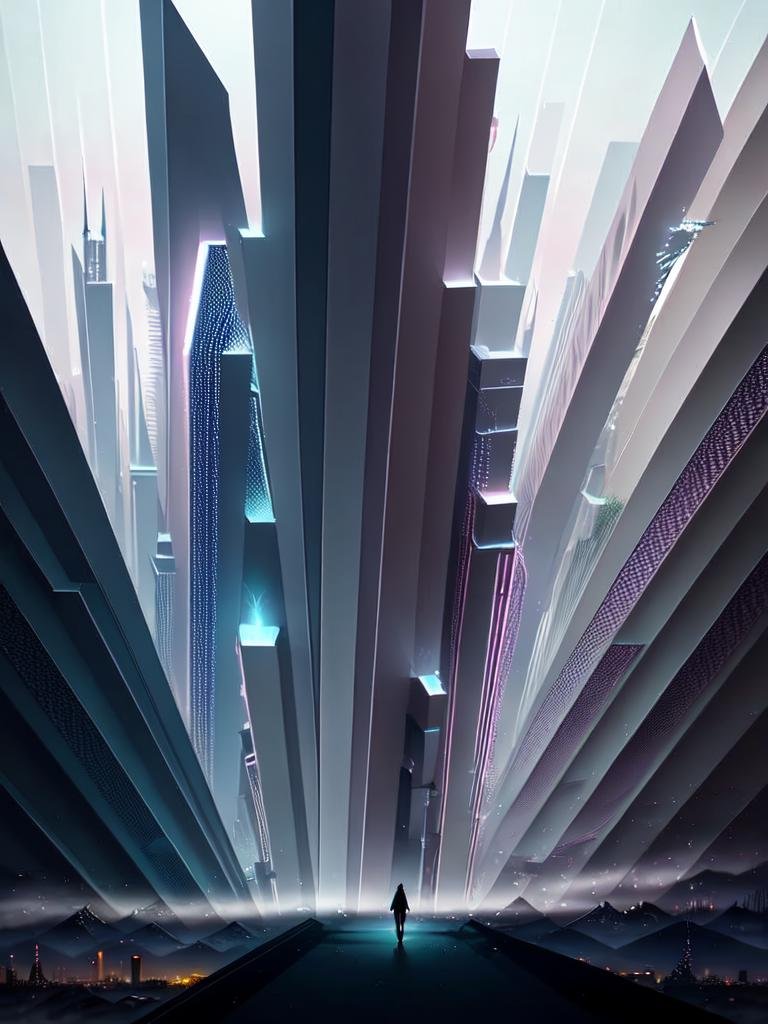
Tired of endlessly scrolling through stock photo sites, hoping to stumble upon that one perfect background? Or maybe you're stuck with the same default desktop wallpaper you've had for months, craving a fresh look that truly reflects your style. The good news is, you're not alone, and the solution is closer than you think. Welcome to the age of AI, where the ideal digital backdrop is just a few descriptive words away.
We’ve delved deep into the world of Top Wallpaper Generator Tools (Free & Paid), testing over 15 platforms to bring you an authoritative yet highly readable guide. Our goal? To empower you with the knowledge and tools to create stunning, personalized wallpapers for every screen in your life, whether for personal flair or professional polish.
At a Glance: Your Quick Guide to AI Wallpapers
- Effortless Creation: Most tools let you generate unique wallpapers from simple text prompts, no design skills needed.
- High-Quality Output: Expect resolutions up to 4K, perfect for monitors, mobile devices, and even presentations.
- Customization is Key: From abstract art to hyper-realistic landscapes, AI offers vast stylistic control.
- Free & Paid Options: Many platforms provide robust free tiers, while paid plans unlock advanced features and higher resolutions.
- Post-Generation Power: Built-in editors often allow for quick adjustments to colors, size, and details.
- Prompt Precision Matters: Learning to craft detailed prompts dramatically improves your results.
Why AI for Your Wallpaper? Unlock a Universe of Visuals
Think about it: your wallpaper is more than just a background. It's a statement, a mood-setter, a source of inspiration, or even a functional extension of your digital space. Before AI, achieving this level of personalization often meant searching through countless image libraries, hiring a designer, or possessing advanced graphic design skills yourself.
AI wallpaper generators have completely shifted the paradigm. They act as your personal digital artist, translating your wildest imaginative ideas into tangible visuals. Want a serene, misty mountain lake rendered in the style of a Hayao Miyazaki film? Or perhaps a vibrant, abstract fractal pattern bursting with neon colors for your gaming setup? With AI, these specific visions are not only possible but often achievable in mere seconds. This technology doesn't just save you time; it unlocks a level of creative freedom that was previously out of reach for most.
Crafting Your Vision: The Art of AI Wallpaper Prompts
The secret sauce to truly spectacular AI-generated wallpapers lies in your prompts. Think of a prompt as a conversation with a highly skilled artist who can interpret your words into visuals. The more articulate and descriptive you are, the better the AI can understand and execute your vision. Through extensive testing, we've identified several techniques that consistently yield optimal results.
- Define a Central Theme or Concept: Start with a strong foundation. What's the main idea you want to convey?
- Instead of: "Cool wallpaper"
- Try: "Natural scenery wallpaper," "fantasy landscape," "abstract art," "sci-fi city at night."
- Add Visual and Sensory Details: Bring your scene to life with rich descriptions. Think about colors, light, textures, atmosphere, and specific elements.
- Instead of: "Forest"
- Try: "A foggy fall woodland with golden foliage, gentle sunlight streaming between tall evergreens, highly realistic detail," or "Dense tropical rainforest, emerald green leaves, vibrant orchids, dappled sunlight, humid atmosphere."
- Set the Mood or Emotion: Convey the desired emotional tone. This helps the AI choose appropriate lighting, colors, and composition.
- Example: "Peaceful mountain vista," "energetic cyberpunk street," "dark and mysterious gothic castle," "dreamlike underwater realm."
- Include a Specific Style or Genre: Guide the AI towards an artistic influence. This can dramatically alter the final output.
- Example: "Soft watercolor illustration of a peaceful mountain lake, gentle mist, muted pastel palette, Miyazaki-inspired atmosphere," or "Pixel art retro arcade scene," "oil painting of a stormy sea."
- Specify Perspective or Composition: Consider how the image will be framed on your screen. This is crucial for wallpapers.
- Example: "Top-down view of a bright coral reef with vivid fish, rendered in 4K, optimized for a wide desktop display," or "Close-up of dew drops on a spider web at dawn, macro photography style, vertical orientation for mobile."
- Experiment and Iterate: Don't be afraid to tweak your prompts. Small changes in terms, style, or description can lead to vastly different and improved outputs. Think of it as refining a sketch.
- Combine Keywords for Unique Effects: Blend elements of scenery, atmosphere, and visual details to create truly unique and imaginative scenes.
- Example: "Dreamlike desert scene with hovering landforms, radiant crystal formations, and a violet-orange sunset, done in a hand-painted art style."
- Utilize Reference Images (When Supported): Many tools allow you to upload your own photos. This can be a powerful way to guide the AI's style, color palette, or even transform an existing image into something new. It gives the AI a direct visual reference, often leading to more consistent and personalized results.
Mastering these prompt techniques will transform your AI wallpaper generation experience from hit-or-miss into a precise art form, allowing you to consistently create the exact visuals you envision.
Our Top Picks: The Best AI Wallpaper Generators (Free & Paid)
We spent weeks evaluating over 15 AI wallpaper generators, rigorously testing them across various prompts, styles, and resolutions. Our focus was on image quality, style controls, creative flexibility, and overall user experience for both personal and professional design needs. Here’s a rundown of the tools that truly stand out.
Adobe Express: The Gold Standard for Instant Creativity
Why it stands out: Adobe Express, powered by Adobe Firefly, consistently emerged as our top recommendation. It excels at generating high-quality, vibrant, and clean images instantly from even basic text descriptions. Its strength lies in its ability to produce four distinct versions per prompt, offering quick adjustments for both phone and desktop screen dimensions. The seamless integration with Adobe's powerful suite of editing tools means you can fine-tune every detail post-generation.
Key Strengths:
- High-Resolution Output: Delivers crisp, detailed images, built for professional use.
- Consistent Style: Impressively maintains style even when given reference images.
- Blazing Fast: Generates options almost instantly, thanks to optimized Firefly technology.
- Unified Workflow: Deep integration with other Adobe products for advanced editing.
- Intuitive Controls: Simple interface for quick screen adjustments (e.g., phone vs. desktop).
Things to Consider: - For highly artistic or abstract prompts, images can sometimes come out overly detailed or with unexpected color palettes.
- Specific control over depth and lighting can be limited during initial generation, though these are often correctable in Adobe's editing environment.
Adobe Firefly: Advanced Control for the Discerning Creator
Why it stands out: The engine behind Adobe Express, Adobe Firefly itself offers more granular control for those who want to push the boundaries of AI art. With both Text-to-Image and Image-to-Image capabilities, it provides four versions per prompt and a "Show Similar" feature for endless variations. Tools like Generative Fill and Generative Expand are revolutionary for modifying and extending wallpapers, while Text Effects and Template Generation add further versatility. Firefly particularly shines in managing lighting, colors, and depth with a natural, believable quality. Recent updates have made its textures cleaner and artistic details more refined.
Key Strengths:
- Superior Lighting & Color Management: Produces images with realistic and harmonious lighting and color palettes.
- Image-to-Image Power: Transform existing images into new styles or iterations with impressive results.
- Generative Fill & Expand: Effortlessly add elements, remove objects, or extend the canvas of your wallpaper.
- High Artistic Detail: Understands and renders complex artistic styles with greater fidelity.
Things to Consider: - A key limitation is its inability to specify elements you want excluded from the generation, requiring more prompt iteration to avoid unwanted objects.
Canva: Design-Friendly Magic for Everyone
Why it stands out: Canva, a household name in accessible design, incorporates its Magic Media™ AI to generate four well-balanced wallpaper versions from your prompts. What sets Canva apart for wallpaper creation are its built-in size presets, which prevent awkward aspect ratio distortions. Its Dream Lab feature, which allows you to use reference images, is also a powerful addition. Crucially, Canva's integrated editor lets you easily adjust colors, add film grain, or clean up details with its Magic Eraser, making it a comprehensive tool for beginners and experienced designers alike.
Key Strengths:
- User-Friendly Interface: Incredibly easy to navigate, even for those new to AI.
- Integrated Editor: Offers a suite of post-generation editing tools right within the platform.
- Size Presets: Ensures your generated wallpaper fits common screen dimensions perfectly.
- Reference Image Support: Dream Lab helps guide the AI with your visual examples.
Things to Consider: - Realistic prompts can sometimes result in a slightly "painted" or illustrative style rather than true photorealism.
- It can struggle with rendering soft gradients or delicate bokeh effects.
- Default output sizes might be too small for very large, high-resolution screens without upscaling.
Monica: A Free Powerhouse with 4K Potential
Why it stands out: Monica is an impressive free AI wallpaper creator, boasting 38 distinct styles and the highly coveted 4K export option. Its process is refreshingly straightforward: input your prompt, select a style, choose your size (16:9 for computer, 9:16 for phone), and generate. Monica is fast, providing immediate previews and downloads of sharp, high-quality wallpapers. For those seeking quick, effective, and free high-resolution backgrounds, Monica is a standout choice.
Key Strengths:
- Completely Free: Offers premium features like 4K export without a paywall.
- Extensive Style Library: 38 unique styles provide vast creative options.
- Dedicated Aspect Ratios: Optimized for both desktop and mobile use.
- Speed & Simplicity: Generates high-quality results rapidly with an easy workflow.
Things to Consider: - Very complex or lengthy prompts can sometimes lead to busy or cluttered images.
- Fine control over specific elements like lighting, depth, or individual object placement is limited.
ImagineArt: Speed and Style for Detailed Visions
Why it stands out: ImagineArt lives up to its name by rapidly generating high-resolution images across more than 50 styles. It allows for reference pictures to guide the mood and offers easy adjustments for size, effects, and variations. ImagineArt is particularly noted for maintaining fine details and producing 4K quality outputs, making it suitable for demanding design work. If speed and a wide array of stylistic options are paramount, ImagineArt is a strong contender.
Key Strengths:
- Rapid Generation: Creates images incredibly fast, perfect for quick iterations.
- Vast Style Options: Over 50 styles to explore, from photorealistic to abstract.
- 4K Quality Output: Delivers high-resolution images suitable for large screens.
- Reference Image Integration: Helps steer the AI towards a desired aesthetic.
Things to Consider: - Highly detailed prompts can sometimes result in overly busy images.
- Some advanced settings and controls may require a learning curve for new users.
- Access to all features, especially higher quality and more generations, typically requires a paid plan.
Media.io: Flexible Styles with a Creative Edge
Why it stands out: Media.io offers excellent flexibility with its style choices, including popular options like anime, comic, 3D, and abstract. It provides robust aspect ratio settings (16:9, 9:16) for 2K quality outputs, quickly generating multiple polished wallpapers. A notable feature is the ability to remix style presets, encouraging creative experimentation. For users who prioritize varied artistic styles and aspect ratio control, Media.io is a solid option.
Key Strengths:
- Diverse Artistic Styles: Caters to specific aesthetic preferences with dedicated style categories.
- Aspect Ratio Control: Easily configure images for different devices.
- Quick Generation of Multiple Options: Provides several polished wallpapers for selection.
- Style Remixing: Encourages unique combinations and creative exploration.
Things to Consider: - The AI can occasionally over-process colors or textures, leading to images that appear less natural.
- Some advanced controls and settings might not be immediately clear or intuitive.
- A paid plan is generally required to unlock all styles and higher quality outputs.
Picsart: Quick Touch-Ups and Templated Inspiration
Why it stands out: Picsart is a familiar name for photo editing, and its AI wallpaper generator is equally efficient. It quickly creates wallpapers and integrates seamlessly with its extensive library of built-in templates, fonts, and an online editor for immediate touch-ups. You can clean up details, sharpen textures, or adjust the overall look right within the platform. Its simplicity and adaptability across various screen sizes make it a robust choice, with a surprisingly capable free version.
Key Strengths:
- Integrated Editor & Tools: Access to Picsart's powerful editing suite for post-generation refinements.
- Templates & Fonts: Offers a design ecosystem for further customization beyond just the image.
- Ease of Use: Simple and intuitive, great for quick creations.
- Adaptable for Screen Sizes: Easily adjust for different device dimensions.
Things to Consider: - It can struggle with very detailed or highly layered prompts, sometimes simplifying the output.
- Fixed styles and aspect ratios in some contexts can limit flexibility compared to other tools.
- Some of the most useful tools and advanced features are exclusive to paid plans.
WallpaperGenerator.app: Dedicated to Digital Backgrounds
Why it stands out: WallpaperGenerator.app is purpose-built for creating custom, high-quality phone and desktop backgrounds. It offers the flexibility of generating images from text prompts or by uploading your own images, coupled with various style choices. Operating on a credit-based pricing system, it provides both a "Fast mode" (1 credit/image) and a "High-Quality mode" (5 credits/image), with credits valid for three months. A unique feature is its community gallery, boasting over 1000 AI-generated wallpapers available for HD downloads, serving as both inspiration and a source for ready-made backgrounds. It supports popular resolutions like HD, 1080×1920, 1920×1080, and 2K.
Key Strengths:
- Specialized for Wallpapers: Optimized specifically for background creation, ensuring suitable aspect ratios and quality.
- Community Gallery: A vast resource of pre-generated wallpapers for inspiration and direct download.
- Flexible Input: Use text prompts or your own images to guide the AI.
- High-Quality Output: Delivers sharp images in standard and high resolutions.
Things to Consider: - The credit-based system means it's not entirely free for extensive use, requiring mindful credit management.
- Credits have a three-month validity, which might pressure some users to generate images more frequently.
Ultimately, the "best" tool depends on your specific needs, budget, and desired level of control. If you're ready to dive in and create your own stunning backdrops, you can explore our wallpaper generator to see the power of AI in action.
Behind the Scenes: How We Tested These Tools
To bring you this comprehensive guide, our team embarked on a rigorous evaluation process that spanned several weeks. We sifted through over 15 AI wallpaper generators, carefully selecting those with distinct features, consistent quality, and ample customization options. Tools with similar functionalities, inconsistent outputs, or insufficient control (like Fotor, Pixelcut, or NightCafe Studio) were excluded to focus on the cream of the crop.
Our testing methodology involved several key stages:
- Prompt Precision: We used a diverse range of prompts, from short, abstract ideas to highly detailed, multi-layered descriptions. This helped us understand how each AI interpreted and executed different levels of instruction.
- Style and Format Adaptability: We challenged each tool to generate images across various art styles (e.g., photorealistic, watercolor, anime, abstract) and critical screen proportions. This included standard desktop (16:9), 4K desktop, and mobile (9:16) aspect ratios, assessing image quality and how well details scaled.
- Output Quality Review: Every generated image was meticulously reviewed for clarity, color rendering, visual composition, and overall compatibility across different display types.
- Editing and Customization: We explored each tool's built-in editors, assessing their ability to make post-generation adjustments such as resizing, color correction, applying filters, adding text/graphics, and cleaning up minor imperfections.
- Ease of Use & Workflow: We evaluated the user interface for intuitiveness, the speed of generation, and the reliability of consistent, high-quality outputs.
- Consistency Check: To ensure reliability, we generated multiple outputs from the same prompt across different sessions to observe any variations or inconsistencies.
We also incorporated expert input throughout the process. Our lead technical expert, Vadym, provided crucial insights into professional workflow integration and the suitability of resolutions for various screens. Kate, our user experience specialist, focused on ease of use, prompt clarity for beginners, and overall accessibility, ensuring our recommendations are truly human-centric. This multi-faceted approach allowed us to identify the strengths and weaknesses of each platform with precision and provide genuinely trustworthy recommendations.
Your Burning Questions Answered: AI Wallpaper FAQs
It’s natural to have questions when diving into new technology. Here, we tackle the most common queries about AI wallpaper generators to ensure you feel confident and informed.
Do I need any design experience to use these tools?
Absolutely not! That's one of the biggest advantages of AI wallpaper generators. Tools like Canva, Picsart, Monica, and Adobe Express are designed with user-friendliness in mind. If you can type a description, you can create stunning wallpapers. The AI does all the heavy lifting, translating your words into visual art.
Can I use the generated wallpapers for commercial purposes?
This is a crucial question, and the answer varies by platform. Some tools, particularly those in the Adobe ecosystem like Adobe Firefly, offer commercial usage rights for images generated on their platforms, often tied to a paid subscription. However, free tiers of tools like ImagineArt or Media.io might have limitations or require attribution. Always check the specific licensing terms and conditions of each platform before using AI-generated images for commercial projects to ensure compliance.
Do these tools generate professional-quality images?
Yes, many of the tools reviewed, especially paid tiers or premium features, can generate images in 2K or 4K resolution. This quality is more than suitable for high-resolution monitors, mobile screens, professional presentations, and even basic printing. While minor adjustments might occasionally be needed to perfectly align with specific professional brand guidelines, the raw output is often of very high caliber.
Can I edit my wallpapers after they're generated?
Definitely! Most of the top-tier tools, including Adobe Express, Canva, and Picsart, come equipped with built-in editors. These allow you to perform a wide range of post-generation adjustments. You can resize the image, tweak colors and contrast, apply filters, add text or graphics, and even use AI-powered clean-up tools to refine details or remove unwanted elements. This flexibility ensures your wallpaper is precisely what you envisioned.
What's a typical desktop wallpaper size?
The standard desktop wallpaper size is 1920×1080 pixels, commonly known as Full HD (FHD). However, modern screens often utilize higher resolutions. Quad HD (QHD) screens typically use 2560×1440 pixels, while 4K Ultra HD (UHD) displays boast 3840×2160 pixels. Mobile wallpapers vary depending on the device, but a common aspect ratio is 9:16. Most AI generators offer options or easy adjustments to fit these common dimensions.
Can I use my own photos as a starting point or reference?
Yes, many advanced AI wallpaper generators support this feature. Tools like Adobe Firefly and Adobe Express allow you to upload your own images to serve as a visual guide or style reference. This means you can transform a personal photograph into a painting, generate a wallpaper in the style of a specific image you like, or even extend the boundaries of an existing photo using generative fill features. It's a fantastic way to personalize your creations even further.
Beyond Generation: Mastering Your Digital Canvas
Congratulations! You're now equipped with the knowledge and tools to transcend generic backgrounds and craft truly personalized digital canvases. The journey doesn't end with generation; it's just the beginning. The real magic happens when you experiment, iterate, and integrate these stunning visuals into your daily digital life.
Think about creating thematic wallpaper sets for different seasons, moods, or even work projects. Imagine a calming abstract for focused work, a vibrant landscape for creative brainstorming, or a dynamic sci-fi scene for your downtime. With the Top Wallpaper Generator Tools (Free & Paid) at your fingertips, your digital environment can become a dynamic extension of your personality and productivity. So, go forth, prompt with purpose, and adorn your screens with the masterpieces you've always imagined. Your perfect background is waiting to be generated.