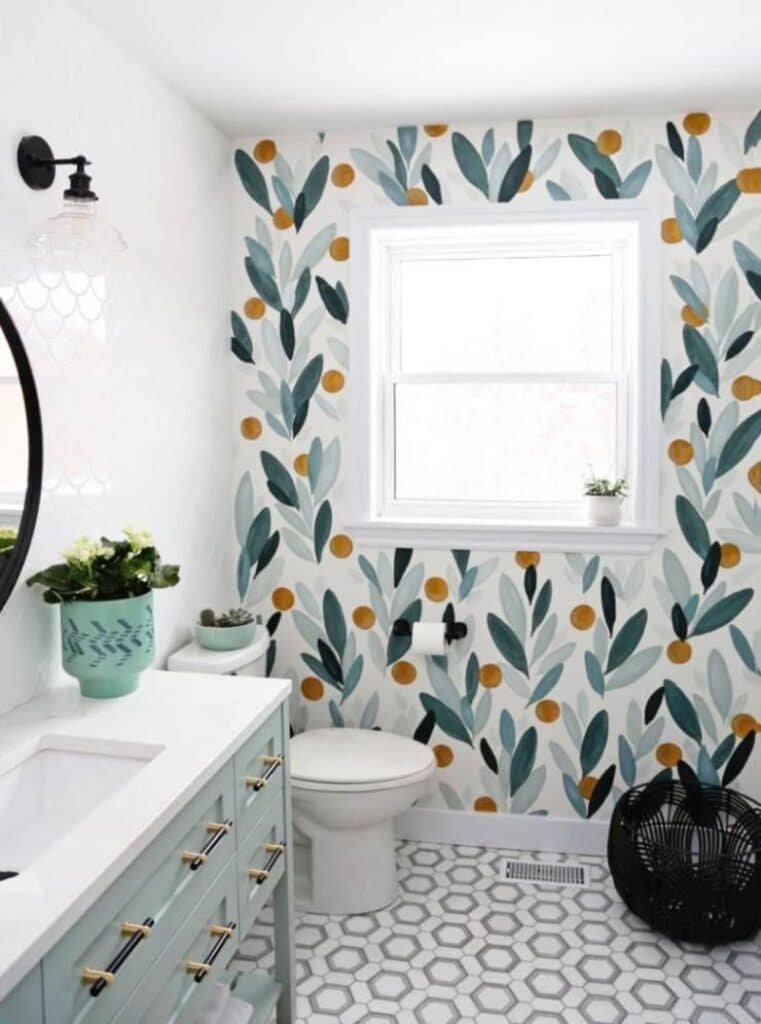
Tired of browsing endless wallpaper samples, never quite finding "the one"? Imagine a world where your walls aren't just a backdrop, but a canvas reflecting your unique personality, style, and wildest imagination. That world is within reach with DIY custom wallpaper creation. These guides empower you to design truly unique walls, transforming any room into a personal statement that mass-produced options simply can't match.
At a Glance: Crafting Your Custom Wall Decor
- Unleash Creativity: Design wallpaper that perfectly matches your vision, from intricate patterns to cherished photos.
- Choose Your Method: Opt for a specialized service like Photowall for a streamlined experience, or design it yourself using tools like Canva and send it to a print service.
- Material Matters: Select from peel and stick, pre-pasted, traditional, or textured options, each with unique application and permanence.
- Measure Meticulously: Accurate wall measurements, including essential "mounting margins," are crucial for a flawless fit.
- High-Resolution is Key: Always use high-quality images (300 DPI recommended) to ensure a crisp, professional-looking print.
- Preview & Sample: Don't skip these steps to confirm colors, textures, and scale before a full print run.
More Than Just Decor: Why Your Walls Deserve a Personal Touch
Our homes are extensions of ourselves. They tell stories, hold memories, and provide comfort. Yet, so often, our walls remain a blank slate or are adorned with generic patterns chosen from a limited catalog. Custom wallpaper changes that equation entirely. It’s an opportunity to inject genuine personality, to create a mood, or to commemorate a special moment in a truly grand way. From a vibrant, repeating pattern you designed yourself to a large-scale mural of a beloved landscape, custom wallpaper turns passive spaces into active experiences. It's about bringing your distinct vision to life, ensuring your home feels undeniably yours.
First Things First: Measuring Your Masterpiece
Before you dive into design, precision in measurement is paramount. There’s nothing worse than falling in love with a design only to find it doesn’t fit, or worse, having too little material. Think of this as laying the groundwork for your masterpiece.
- Measure the Widest & Highest Points: Grab a reliable tape measure. For width, measure the widest horizontal point of the wall. For height, measure the highest vertical point, accounting for any crown molding or baseboards if you plan to go edge-to-edge.
- Add Your Mounting Margin: This step is crucial! Always add an additional 6-10 centimeters (approximately 2.5-4 inches) to both your width and height measurements. This extra margin allows for precise trimming, slight wall irregularities, and perfect alignment during installation. You can trim away the excess later for a seamless finish.
- Consider Panel/Roll Widths: If you're using a print service or planning a multi-panel design, keep typical roll widths in mind (often around 24 inches or 61 cm). This helps you visualize how your design will be broken up.
- For Print Services: Calculate Total Square Footage: Multiply your final width (including margin) by your final height (including margin). Then, add an extra 10% to this total square footage. This additional buffer accounts for alignment needs, pattern matching, and any potential mistakes, ensuring you have more than enough material.
Remember: Measure twice, cut (or print) once!
Decoding Wallpaper Materials: What's Your Wall's Best Friend?
The type of wallpaper material you choose significantly impacts its appearance, durability, and ease of installation and removal. Each has its own superpowers, so select one that aligns with your project's needs and your comfort level.
- Peel and Stick Wallpaper:
- The Lowdown: This self-adhesive wonder is often referred to as "removable wallpaper."
- Pros: Incredibly easy to apply, repositionable, and a dream to remove without damaging walls. Ideal for renters, temporary decor, or those who love to change their aesthetic frequently.
- Cons: Can be more susceptible to tears during application if not handled carefully; not as durable for high-traffic areas as more permanent options.
- Pre-Pasted Wallpaper:
- The Lowdown: Comes with a dry adhesive on the back that activates when wet.
- Pros: Easier to apply than traditional wallpaper as you don't need a separate paste. Provides a smooth, professional finish.
- Cons: More permanent than peel and stick, requiring scoring and a wetting agent for removal.
- Traditional Wallpaper:
- The Lowdown: The classic choice, requiring you to apply a separate wallpaper paste to the back of the paper.
- Pros: Offers a rich, highly professional, and long-lasting finish. Extremely durable.
- Cons: Requires more effort and skill during application, making it best for experienced DIYers or professional installers. Removal can be labor-intensive.
- Fabric and Grasscloth Wallpaper:
- The Lowdown: These materials offer unique textures and depth, adding a tactile dimension to your walls.
- Pros: Creates a luxurious, high-end feel, perfect for accent walls.
- Cons: Generally non-removable without significant effort, and often best left to experienced installers due to their delicate nature and unique hanging requirements.
Photowall Specifics: Quality Meets Craftsmanship
When using a specialized service like Photowall, you often get enhanced material options designed for durability and ease of use:
- Standard (Non-Woven):
- Features: Applied by gluing directly to the wall, fade-resistant, eco-friendly, PVC-free, and fire-rated. It's a robust and conscious choice.
- Premium (Non-Woven):
- Features: Includes all Standard benefits, plus it’s scrape-resistant, boasts an extra matte finish, is anti-reflective, and can withstand cleaning products. An excellent choice for high-traffic areas or spaces where durability and pristine appearance are paramount.
Method 1: The Seamless Path with Photowall – Your Image, Their Expertise
For those who have a fantastic image ready to go and prefer a guided, streamlined process, services like Photowall make custom wallpaper creation remarkably simple. They handle the technical printing details, ensuring a high-quality finished product.
- Select Custom Wallpaper: Navigate to the Photowall website and locate the "Custom Image" section, then click on "Custom Wallpaper."
- Upload Your Image: This is where your vision truly begins! Upload your chosen image file. Photowall's system is designed to help check your image resolution, ensuring it's suitable for a large-scale print. They'll often flag if the quality might be compromised.
- Enter Your Dimensions: Input the precise width and height measurements you carefully took earlier (including those vital mounting margins).
- Crop Your Motif: A visual editor will appear, allowing you to click and drag to select the exact part of your image you want to feature on your wall. This ensures perfect composition.
- Choose Your Quality: Select from the available options: Standard, Premium, or Peel-and-stick, based on your material preference and desired durability.
- Place Your Order: Review every detail – your design, selected quality, and exact measurements. Once satisfied, finalize your purchase.
- Receive Your Order: Your custom wall mural will be professionally printed and delivered right to your doorstep, ready for installation.
Optional: Photowall's Image Editing Service
What if your perfect image needs a little tweak? Photowall offers a valuable image editing service to refine your vision:
- Describe Your Changes: After uploading your image on the Custom Wallpaper page, select "edit image." Clearly describe the alterations you desire – perhaps adjusting colors, adding or removing objects, applying creative effects, restoring old photo quality, or adjusting proportions. You can even add markers directly onto the image to highlight specific areas for the designer.
- Pay a Start-up Fee: A modest fee is required upfront for this service. Don't worry, this fee will be deducted from your total cost if you proceed with the order, effectively covering the designer's time if you decide not to go through with the full purchase.
- Designer Edits: Their professional graphic designers will get to work, making the requested changes. They'll then email you the edited version along with a direct order link.
- Review and Order: Take your time to review the edited image. Once you're happy, click the provided link to finalize your order, and you'll see the start-up fee conveniently deducted at checkout.
Photowall Shipping & Delivery
Getting your custom creation to you swiftly is part of the experience:
- Availability: Photowall offers fast and free shipping for customers within the EU and in countries where they have dedicated local sites (e.g., US, Canada, Singapore, Australia, UK, Switzerland).
- Fees: For customers outside the EU or without a dedicated site, low shipping fees apply.
- Dispatch/Delivery: Orders are typically dispatched within 1-4 business days. Expect delivery via FedEx Express in 1-2 days, or FedEx Economy in 5-7 working days.
Method 2: Unleash Your Inner Designer with Canva & a Print Service
If you're creatively inclined and enjoy a hands-on design process, combining a user-friendly tool like Canva with a specialized print service gives you incredible control. This method is fantastic for creating repeating patterns, intricate collages, or truly bespoke artistic statements.
What You'll Need:
- For Digital Wallpaper (just for screens): Canva, your chosen images, text, or icons, and correct screen dimensions (phone, tablet, computer).
- For Printed Wall Wallpaper (the focus here):
- Canva: Your primary design tool.
- High-Resolution Images: The sharper, the better!
- A Clear Color Palette: To maintain consistency and harmony.
- A Print Service: Look for specialized wallpaper printers like Spoonflower, Printify, or reliable local print shops.
- Optional Tools: A digital color picker tool to match hues precisely, a physical ruler for double-checking, and an inspiration board to keep your vision focused.
Canva Design Steps: Turning Ideas into Tangible Art
- Set Up Your Canvas: Open Canva and create a custom-size design. For crisp patterns and high-quality prints, a canvas size of around 3906 × 3906 pixels is an excellent starting point. This ensures enough detail for large-scale printing.
- Upload Your Design Elements: Bring in your high-resolution photos, original drawings, or any digital illustrations you plan to use. Canva's intuitive interface makes uploading a breeze.
- Arrange Your Design: Spread your elements across the canvas, aiming for a balanced and visually appealing composition. If you're creating a repeating pattern, pay meticulous attention to aligning edges. The goal is for the design to flow seamlessly when tiled.
- Adjust Colors and Scale: Resize and recolor your design elements to perfectly match your wall and existing decor. Utilize Canva's built-in color picker tool to ensure color consistency across all elements. This is also where you can experiment with different scales – large motifs for dramatic impact, smaller ones for subtlety. If you're looking for more inspiration or want to experiment with different design styles, you might want to explore our wallpaper generator to jumpstart your creative process before perfecting it in Canva.
- Save and Export: Once your design is finalized, download it. Crucially, choose PNG (Print Quality) as your file type. This format preserves clean lines and accurate colors, which are essential for high-quality printing.
- Upload for Printing & Order a Sample: Head over to your chosen print service's website. Upload your high-resolution PNG file. Here, you'll typically select your preferred material type (e.g., peel-and-stick or traditional). Always, always, always order a small sample. This cannot be stressed enough. A sample allows you to confirm that the colors are true to your vision, the texture is what you expected, and the overall print quality meets your standards before committing to full rolls.
Designing with Intent: Aesthetic Considerations for Your Custom Walls
Beyond the technical aspects, great custom wallpaper considers the room it will inhabit. A truly impactful design integrates harmoniously with its environment.
- Consider the Space:
- Smaller Rooms: Opt for minimalistic designs or patterns with smaller, delicate motifs. This can create an illusion of openness and prevent the room from feeling overcrowded.
- Larger Rooms: You have more freedom! Experiment with large-scale patterns, bold designs, or expansive murals that command attention.
- Harness the Power of Colors:
- Lighter Hues: Whites, creams, pastels, and soft grays can make a room feel more spacious and airy. They are ideal for smaller rooms or those with limited natural light.
- Darker Colors: Deep blues, rich greens, charcoal, or even black add depth, coziness, and intimacy. These work beautifully in larger rooms, dining areas, or studies where a more dramatic or sophisticated atmosphere is desired.
- Shapes and Their Story:
- Geometric Patterns: Triangles, hexagons, stripes, or chevrons provide a modern, structured, and often energetic look.
- Organic or Fluid Lines: Think botanicals, swirling motifs, or abstract brushstrokes. These contribute to a more relaxed, natural, and flowing ambiance.
- Complement Your Furniture and Accessories: Your wallpaper shouldn't exist in a vacuum. Ensure your design's colors, style, and scale complement your existing furniture, artwork, and decorative accessories. A cohesive color palette creates a sense of harmony and polish.
- Define Your Style or Theme: Is your room vintage, modern, minimalist, bohemian, industrial, or something else entirely? Choose designs that clearly align with the overall theme of your room or even your entire house. Your wallpaper should enhance, not clash with, your established aesthetic.
Pro Tips for a Flawless Finish
Crafting your own wallpaper is a rewarding endeavor, and a little extra care can make all the difference between a good result and a truly spectacular one.
- Re-Check Accurate Measurements (Seriously!): We can't stress this enough. Even after initial measurements, do a quick double-check before placing your order. Include that crucial mounting margin every time. Precision here prevents frustration later.
- Factor in Lighting Conditions: How much natural light does your room get? Bright, well-lit rooms can accommodate more image variations and subtle color shifts. Darker rooms, however, may require images with higher contrast and vibrancy to prevent a dull or flat appearance.
- Prioritize High-Resolution Images: For any printed wallpaper, aim for images with at least 300 DPI (dots per inch). When saving your final design files, always choose a high-resolution format like PNG to preserve image clarity and accurate colors. A lower resolution image will look pixelated and blurry when scaled up.
- The Golden Rule: Preview and Sample: Never skip these steps. Use any available online preview tools to see your design at full scale. Most importantly, always order a small sample print. This allows you to scrutinize the colors, feel the texture, and see how the design looks in your room's actual lighting conditions before committing to the full print run. It's a small investment that prevents big regrets.
- Don't Hesitate to Seek Help: Whether you're using Photowall, Canva, or a third-party print service, their customer support teams are there to assist. If you have questions about image resolution, file types, cropping, or installation, reach out! They can provide invaluable guidance and ensure your project goes smoothly.
Your Walls, Your Story: Taking the Next Step
DIY custom wallpaper creation isn't just about covering walls; it's about telling a story, expressing your creativity, and making your home undeniably your own. With the right measurements, thoughtful design, and careful material selection, you're well on your way to transforming an ordinary room into an extraordinary space. Whether you opt for the streamlined efficiency of a service like Photowall or the hands-on artistry of designing with Canva, the power to craft truly unique walls is now firmly in your hands. So, take those measurements, unleash your inner designer, and get ready to create a home that truly reflects you.